
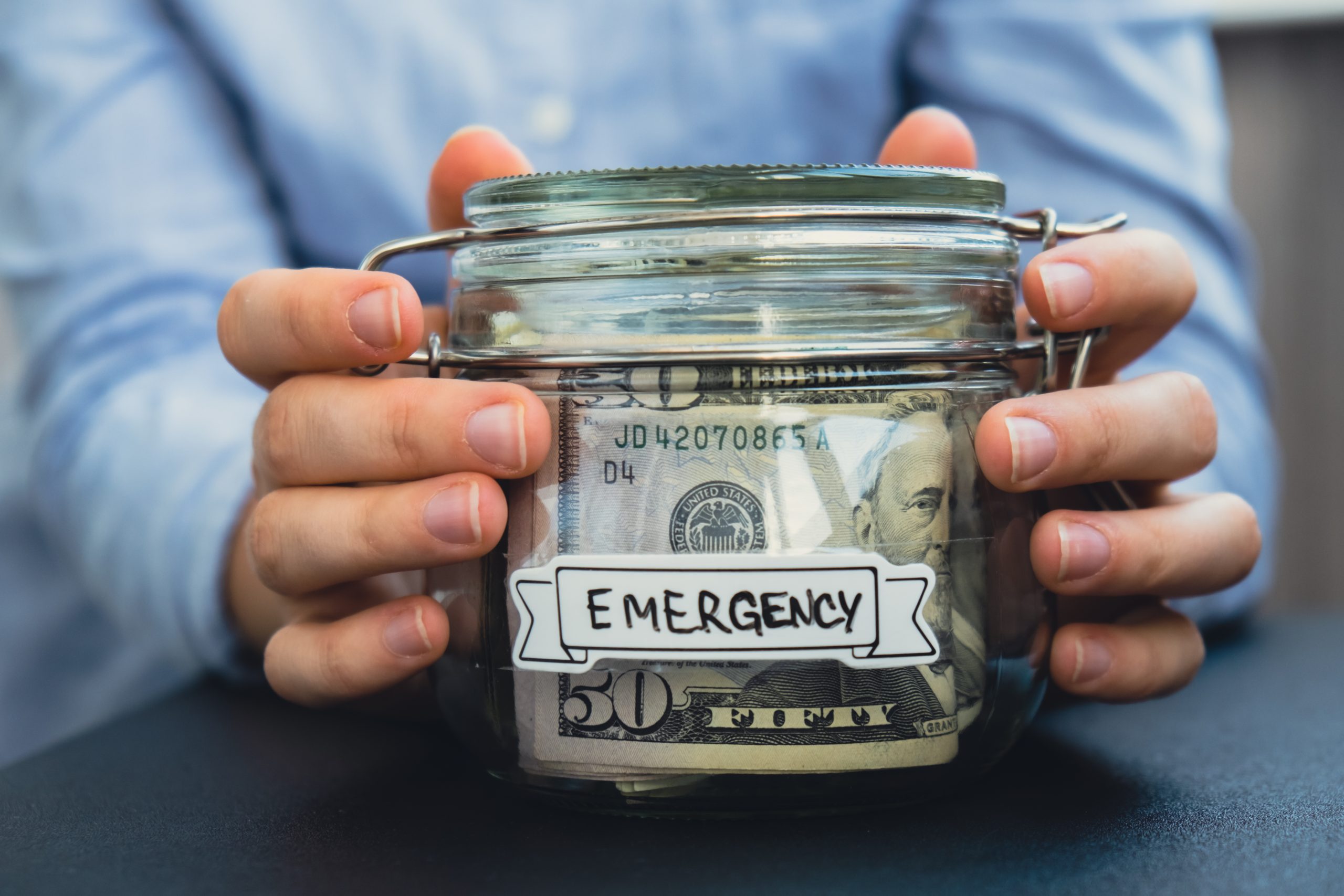
Life has a way of surprising us when we least expect it. A car repair, medical bill, home issue, or sudden change in income can quickly put pressure on a household budget. That is why having an emergency fund is one of the most important steps you can take toward financial stability.
The good news is that building an emergency fund does not have to happen all at once. Like any strong financial habit, it starts with a simple plan and steady progress over time.
What Is an Emergency Fund?
An emergency fund is money set aside specifically for unexpected expenses. It is meant to help cover urgent costs without relying on credit cards, loans, or dipping into money you have saved for other goals.
Emergency funds are commonly used for things like:
- Car repairs
- Medical expenses
- Emergency home repairs
- Unexpected travel
- Temporary loss of income
- Unplanned bills or essential expenses
The purpose of an emergency fund is not to cover everyday spending or planned purchases. It is there to give you a financial cushion when life throws something unexpected your way.
Why an Emergency Fund Matters
Without emergency savings, even a small surprise can feel overwhelming. Many people end up turning to credit cards or borrowing money to cover costs, which can make a difficult situation even more stressful.
An emergency fund can help you:
- Feel more prepared for the unexpected
- Reduce financial stress
- Avoid taking on unnecessary debt
- Stay on track with your long-term financial goals
It is not just about the money. It is also about peace of mind.
Where to Start
One of the biggest reasons people put off building an emergency fund is because the end goal can feel too large. Hearing that you should save several months of expenses may sound overwhelming if you are starting from zero.
That is why the best place to start is small.
A first goal of $500 to $1,000 can make a real difference. That amount may be enough to cover many common emergencies, such as a minor repair or unexpected bill, and it can help you avoid reaching for credit in the moment.
Starting small also builds momentum. Once you see progress, it becomes easier to stay motivated.
How Much Do You Need?
The right amount depends on your household, monthly expenses, and financial situation. A common recommendation is to save three to six months of essential living expenses in a dedicated emergency fund.
That may include money needed for:
- Housing
- Utilities
- Groceries
- Transportation
- Insurance
- Minimum debt payments
- Other basic necessities
For example, if your essential monthly expenses are $2,500, a fully funded emergency savings goal might be between $7,500 and $15,000.
That said, not everyone needs to start there right away. Think of your emergency fund in stages:
Stage 1: Starter Emergency Fund
Focus on saving your first $500 to $1,000.
Stage 2: One Month of Expenses
Build toward saving enough to cover one full month of essential bills.
Stage 3: Three to Six Months of Expenses
Work toward a larger safety net over time.
This step-by-step approach can make the process feel much more manageable.
Simple Ways to Build Your Emergency Fund
Building emergency savings does not always require major changes. Small, consistent actions can add up faster than you think.
Here are a few practical ways to get started:
Set a Small Monthly Goal
Choose an amount that feels realistic, even if it is modest. Saving $25, $50, or $100 at a time is still progress.
Automate Your Savings
Setting up automatic transfers can make saving easier and more consistent. When the money moves before you have a chance to spend it, it becomes one less thing to think about.
Save Windfalls
Tax refunds, bonuses, gift money, or other extra income can be a great opportunity to give your emergency fund a boost.
Cut One Temporary Expense
A small temporary change, such as dining out less often or pausing a nonessential subscription, can free up money to put toward savings.
Keep It Separate
It often helps to keep emergency savings in a separate account so it is less tempting to use for everyday purchases.
Progress Over Perfection
It is important to remember that building an emergency fund is not about perfection. It is about creating a stronger financial foundation, one step at a time.
Some months you may be able to save more than others. Some months progress may feel slower. What matters most is staying consistent and continuing to build whenever you can.
Even a small emergency fund is better than no emergency fund at all.
Make Saving Part of Your Financial Routine
Emergency savings work best when they become part of your regular financial habits. Review your budget, set a realistic goal, and look for ways to build saving into your monthly routine.
Over time, those steady contributions can grow into a cushion that helps you handle life’s unexpected moments with more confidence.
Start Today for More Peace of Mind Tomorrow
An emergency fund is one of the most valuable tools in any financial plan. It can help protect you from setbacks, reduce stress, and give you more control when the unexpected happens.
At Rome Federal Credit Union, we know that strong financial habits often begin with simple steps. Starting small, staying consistent, and building over time can help you create a savings foundation that supports your future.
When it comes to emergency savings, the most important step is simply getting started.